The G in DIGIN: Managing the Gut Microbiota as an Ecosystem

Updated: Apr 27
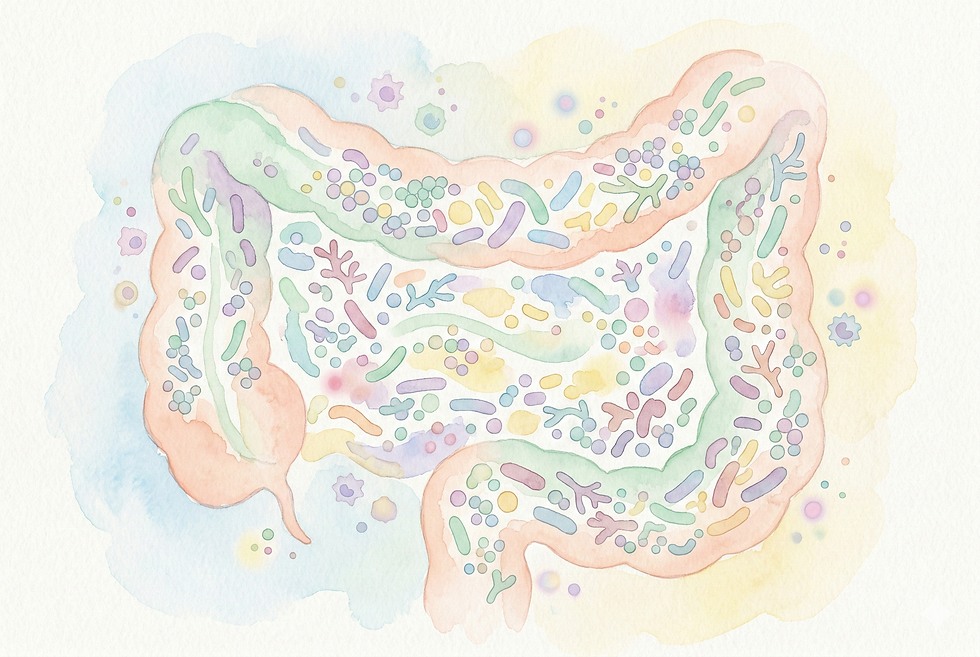
The "G" in the DIGIN framework refers to the Gut Microbiota, the vast community of bacteria, fungi, and viruses that inhabit the human digestive tract. Modern research characterizes the microbiota as a sophisticated metabolic organ rather than a collection of passive residents. These microorganisms perform essential physiological tasks that the human body cannot execute independently, such as synthesizing vitamins K2 and B-complex, modulating the developing immune system, and producing short-chain fatty acids (SCFAs). Among these SCFAs, butyrate is particularly significant; it serves as the primary energy source for the cells lining the colon and acts as a systemic anti-inflammatory signaling molecule.
Rethinking dysbiosis: a functional imbalance, not a single infection
A common clinical misconception is that gastrointestinal dysfunction is caused by a single pathogenic organism that must be eradicated. In reality, dysbiosis (a state of microbial imbalance) is typically a reflection of systemic instability. This imbalance is characterized by a loss of overall species diversity, shifts in microbial metabolism, or the migration of organisms into inappropriate anatomical locations.
Small Intestinal Bacterial Overgrowth (SIBO) illustrates this positional dysfunction. In SIBO, bacteria typically found in the large intestine migrate "upstream" into the small intestine, where bacterial populations should remain sparse. This migration is often a consequence of impaired physiological mechanisms, such as slowed motility, insufficient stomach acid, or reduced bile flow. Antimicrobial interventions may temporarily reduce bacterial counts, but high relapse rates follow if the underlying motility and nervous system issues are not addressed. Overly frequent antimicrobial courses can further erode the gut barrier and amplify immune reactivity.
Evaluating the microbiome in a functional setting
In a functional medicine context, the microbiome is evaluated based on its metabolic activity and resilience rather than a simple inventory of species. Advanced diagnostic tools allow clinicians to assess metabolic output (measuring SCFA levels such as butyrate and propionate to determine whether the microbiota is providing adequate anti-inflammatory support), diversity indices (calculating the variety of species present, as higher diversity correlates with better health outcomes and resistance to pathogens), inflammatory markers (identifying levels of calprotectin or fecal immunoglobulin A to assess the immune response within the gut), and gas mapping through breath tests to identify the specific gases produced by bacterial fermentation (hydrogen, methane, or hydrogen sulfide) which helps pinpoint the location and type of overgrowth.
Probiotics as transient modifiers
In clinical practice, probiotics are best understood as transient biological modifiers. Most supplemental strains don't permanently colonize the host; instead, they exert their effects as they pass through the digestive tract. Their therapeutic value depends on strain specificity and dosage. Saccharomyces boulardii, a yeast strain used primarily to prevent antibiotic-associated diarrhea, is naturally antibiotic-resistant and stabilizes the ecosystem during medical interventions. Lactobacillus rhamnosus GG is a rigorously studied strain known for shortening the duration of acute infections and supporting microflora stability. Specific Bifidobacterium strains reinforce the tight junctions of the intestinal barrier and modulate systemic inflammation.
Probiotics are biological adjuncts rather than independent cures. Their efficacy is often limited by the host's internal environment; chronic stress, impaired motility, and dietary triggers can prevent these transient organisms from exerting their full functional potential.
Cultivating a stable environment
Restoring microbial balance requires providing the necessary substrates for beneficial organisms to flourish. Prebiotic fibers, such as inulin or resistant starch (including that found in cooled rice and potatoes), serve as specialized fuel for SCFA-producing bacteria. Timing matters here; introducing high-fiber prebiotics while SIBO is active can exacerbate fermentation symptoms. A healthy gut microbiota emerges from stable physiology, not from aggressive antimicrobial treatment.
The goal is to create a stable internal environment where diverse microbial communities can maintain health. Because the microbiota is highly responsive to its surroundings, the "G" pillar depends on upstream factors like digestion and barrier integrity while simultaneously influencing the body's immune and nervous systems.

In our next post, we will examine the second "I" in DIGIN—Immune Function and Inflammation. We will explore how the gut serves as the body’s primary immunological command center, and how a breach in the intestinal barrier can trigger systemic inflammatory responses that influence health far beyond the digestive tract.
Reference
AGA Clinical Practice Guidelines on the Role of Probiotics in the Management of Gastrointestinal Disorders. Su GL, Ko CW, Bercik P, et al. Gastroenterology. 2020;159(2):697-705. doi:10.1053/j.gastro.2020.05.059.
Unlocking the Secrets of the Human Gut Microbiota: Comprehensive Review on Its Role in Different Diseases. Paul JK, Azmal M, Haque ASNB, et al. World Journal of Gastroenterology. 2025.


Comments