The "I" in DIGIN: Gut Immunity, Inflammation, and the Loss of Tolerance

Updated: Apr 27

In functional medicine, we view gut immunity as a sophisticated information-processing system. Its primary objective is maintaining oral tolerance, the precise ability to remain calm in the presence of harmless food proteins and commensal microbes while reacting to genuine threats. When this discriminatory capacity is lost, the immune system falls into a state of chronic, non-specific reactivity. Our clinical goal is not to suppress the immune response, but to understand why the system has lost its ability to distinguish "friend" from "foe."
The gut: a strategic command center
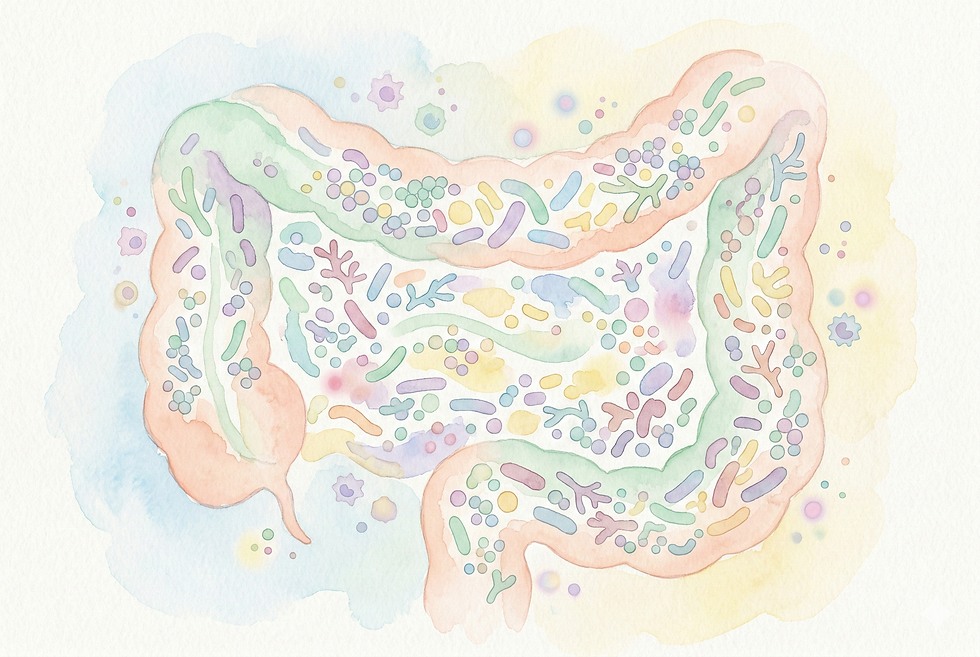
Approximately 70% to 80% of the body's immune tissue is stationed within or around the gastrointestinal tract, collectively known as the Gut-Associated Lymphoid Tissue (GALT). The gut encounters an immense volume of dietary proteins, microbes, and metabolic byproducts daily. Under optimal conditions, the GALT facilitates peaceful coexistence with trillions of symbionts. When this regulatory mechanism fails, immune responses become less selective and increasingly hyper-reactive, shifting the internal environment from a state of peace to a state of perpetual defense.
Inflammation carries a negative connotation, but it's an essential biological defense and repair mechanism—without it, wounds would not heal and infections would not resolve. The clinical problem arises when inflammation becomes chronic, poorly localized, or disconnected from an actual threat. In gut-related dysfunction, inflammation often persists at a subclinical level, eroding function quietly over months or years.
Secretory IgA: the first line of mucosal defense
One of the most informative windows into gut immune tone is Secretory Immunoglobulin A (sIgA). This antibody operates at the mucosal surface through a process called immune exclusion. Rather than triggering an inflammatory "attack," sIgA binds to potential threats (viruses, toxins, and undigested food) and prevents them from penetrating the epithelial barrier, quietly escorting them out of the body.
In a functional stool analysis, sIgA levels reflect the current state of mucosal defense. Low sIgA suggests immune exhaustion or suppression, a vulnerable defense system often caused by chronic stress, nutritional deficiencies (such as zinc or vitamin A), or persistent underlying infections. The gut can't fight on two fronts indefinitely. Elevated sIgA indicates an active immune challenge or chronic stimulation: the system is mounting a heightened response to ongoing triggers, such as food antigens crossing a compromised barrier or significant microbial imbalances.
Food reactions as a loss of tolerance
Distinguishing between true IgE-mediated allergies and the far more common delayed food sensitivities (IgG) matters clinically. Allergies cause immediate, sometimes life-threatening reactions. Sensitivities are a sign of a breakdown in oral tolerance. When the intestinal barrier's tight junctions are compromised (as in leaky gut), undigested food proteins cross into the bloodstream. The immune system, encountering these proteins in the context of "threat," produces antibodies against them. This generates histamine release and further disrupts tight junction integrity, creating a reinforcing cycle.
The result explains why food sensitivity symptoms are often delayed and variable: the same food may provoke symptoms when stress is high or sleep is poor, yet be tolerated when physiology is stable. Simply removing the offending food provides temporary relief but doesn't address the root problem: the immune system's lost ability to recognize food as safe. Without restoring the barrier and digestive capacity, the list of reactive foods tends to grow over time.
From suppression to recalibration
The more productive clinical question isn't how to suppress a reactive immune system but rather: what is the system responding to, and why is that signal persisting? When we identify and remove the underlying drivers, repairing the barrier, recalibrating the microbial ecosystem, improving digestive capacity, and moderating stress hormones, the immune system typically finds its own balance.
Once the gut's immune and metabolic systems stabilize, we can look toward the deeper command chain governing gastrointestinal function. Beyond immunity, the gut contains an extensive nervous system that manages motility and communicates directly with the brain, shaping not just digestion but thoughts and emotions.

Next in the series: The "N" in DIGIN — The Enteric Nervous System and the Gut-Brain Axis.
References
Production and Function of Immunoglobulin A. Hand TW, Reboldi A. Annual Review of Immunology. 2021;39:695-718. doi:10.1146/annurev-immunol-102119-074236.
The Role of Allergen-Specific IgE, IgG and IgA in Allergic Disease. Shamji MH, Valenta R, Jardetzky T, et al. Allergy. 2021;76(12):3627-3641. doi:10.1111/all.14908.


Comments